The Chimney You No Longer Use Still Needs a Plan
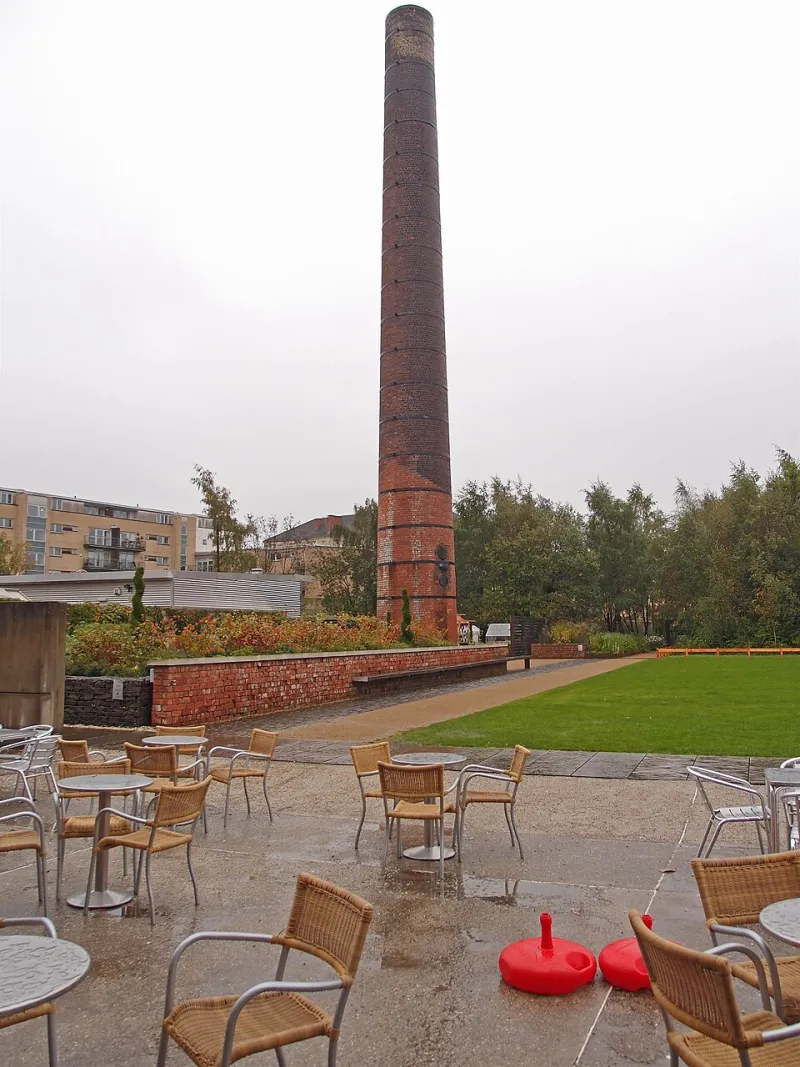
Photo: wfmillar, CC BY-SA 2.0, via Wikimedia Commons
An unused chimney can feel like a problem you have already solved. The fire is gone, the opening is blocked, maybe there is a cap on the pot. Job done? Not quite. A chimney is a hole through the building, and holes need a bit of management even when they are not doing their original job.
Why a sealed-up chimney can turn into a damp cupboard
When a flue is capped at the top and blocked at the bottom, it becomes a cold, enclosed shaft. Any moisture that finds its way in — from driving rain, from small leaks around the stack, or simply from warm, damp air inside the house — has nowhere obvious to go. It condenses on cold brickwork. Over time, that can show up as a tide mark on the chimney breast, a musty smell in an upstairs room, or powdery white salts on the plaster.
That does not mean every unused chimney is a disaster waiting to happen. Plenty of sealed flues are perfectly well behaved. But if you have recently stopped using a fire, moved into a house with a capped chimney, or noticed a damp patch near the breast, it is worth checking that the chimney has not been sealed too thoroughly.
Sealing is not the same as ventilating
This is the bit that catches people out. Sealing a chimney usually means stopping rain, birds and debris from getting in. Ventilating it means letting air move through the flue so moisture can escape. You often need both, not one or the other.
At the top, a ventilated cap or cowl can keep the worst of the weather out while still allowing the flue to breathe. At the bottom, a chimney vent or grille lets room air circulate through the shaft. If you simply brick up the fireplace opening and cap the pot, you have created a sealed box. If you leave the opening wide open with no cap, you may get draughts, rain and wildlife. The sensible middle ground is a controlled vent at each end.
What a vent or cowl actually does
A chimney cowl is not a magic damp cure. It is a fitting that improves how the top of the flue behaves. Some cowls keep rain out, some discourage birds, and some are designed to improve ventilation. A ventilated cap does a similar job: it closes the opening to weather and wildlife while allowing air to pass.
Inside the room, a vent is there to give the flue a route for air movement. If you have blocked the fireplace with a board or a sealed plate, check whether it has a vent. If it does not, that is often the first thing to investigate. A simple vent kit is not expensive, but it needs to be the right type for the chimney and the room. If the chimney has been used for a gas appliance in the past, get advice before changing anything — ventilation rules for gas appliances are not a DIY guessing game.
The two ends of the equation
It helps to think about the chimney in two halves. At the top, you are managing water and debris. At the bottom, you are managing air and moisture.
At roof level, look — from the ground, not from a ladder — for missing mortar around the pots, cracked flaunching, a leaning pot, damaged flashing or obvious vegetation. A roofer or chimney specialist can deal with those. Inside, check the loft for staining or damp around the chimney stack, and look at the chimney breast in upstairs rooms for tide marks, bubbling paint or white salt deposits.
If the chimney breast has been removed in the past, or the stack is supported by steelwork, do not start knocking things about without proper advice. That is a structural conversation, not a weekend job.
A calm 2026 inspection routine
Start with your eyes and nose. Damp patches, a musty smell, soot stains or salts around the chimney breast are all clues. Then check the loft after heavy rain. From outside, use binoculars if you have them and stay on solid ground. If anything looks loose or cracked, book someone who works at height for a proper look.
A chimney sweep is not just for working fires. Sweeps can inspect disused flues, clear old soot and debris, and check whether the flue is actually ventilated. A roofer is the right call for stack repairs, flashing and mortar. If damp persists after ventilation and roof repairs, a damp specialist can help trace the source.
What sensible fixes cost in 2026
Costs vary by region and access, but these are realistic ranges to help you budget:
- Chimney sweep inspection: roughly £60 to £120.
- Simple chimney vent or grille: around £20 to £60 for the part, plus fitting if you use a trade.
- Ventilated cap or cowl: roughly £40 to £150 for the fitting, with installation often £80 to £200 depending on access.
- Roofer attendance for flashing or minor stack repairs: often £150 to £350, with larger repointing or rebuild work costing more.
- CCTV flue survey, if needed: around £150 to £300.
For many homeowners, a sweep inspection, a ventilated cap and a proper vent at the fireplace end will be the core of the job. That is usually a few hundred pounds rather than a full restoration project.
When to stop and call someone
Call a professional if you see cracked or displaced pots, damp spreading across a ceiling, a chimney stack that looks unstable, or water coming in around the flashing. Also call if you are unsure whether a flue is safe to vent or whether an old appliance connection has been properly dealt with. The aim is not to panic — it is to avoid turning a small ventilation job into a much bigger repair.
An unused chimney is still part of the house. Give it a cap that keeps the weather out, a vent that lets it breathe, and an occasional check from the ground. That quiet bit of maintenance is usually enough to stop a forgotten flue from becoming a damp problem you cannot ignore.