Before the Drip Becomes a Downpour: Run a Five-Minute Water Shut-Off Drill
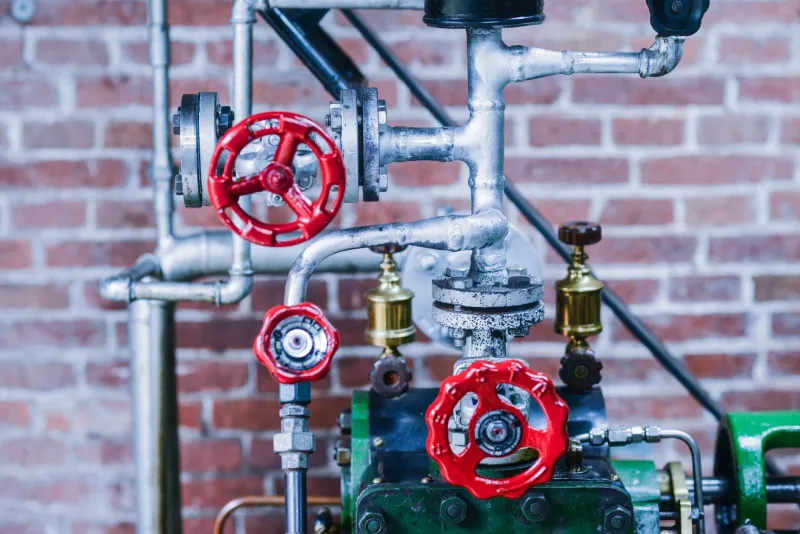
There are few household discoveries less welcome than water where water should not be. A soft patch on the ceiling. A kitchen cupboard that smells faintly of damp. A washing machine that has decided to empty itself across the floor at ten o'clock at night. In those moments, the most valuable thing in your house is not a mop or a bucket. It is knowing exactly where the main water stopcock is and being confident that it will turn.
That is why this is not really an article about plumbing. It is about a five-minute drill you can run this winter, while everything is dry and calm, so that a future emergency is shorter, cheaper and a good deal less dramatic.
Why this belongs on the winter list
Cold snaps put pressure on pipework. Pipes in lofts, garages, outbuildings and poorly insulated corners are the usual suspects, but the damage often shows up somewhere else entirely. Water travels. It finds the back of a ceiling, the bottom of an airing cupboard or the joins in a laminate floor.
The first response to a suspected burst is simple: stop the water. Not slow it down, not put a towel around it, not wait to see whether it settles. Stop it. If nobody in the house knows where the stopcock is, or the valve has seized solid after years of neglect, those first few minutes disappear. That is when a repair turns into a redecorating project.
So treat this as seasonal maintenance, not crisis management. You would check the boiler before the first frost and clear the gutters before the rain settles in. Give your water supply the same courtesy.
The room-by-room hunt
The main stopcock is usually the valve where the incoming mains supply enters the property. In many UK homes it sits under the kitchen sink, often at the back of the cupboard, sometimes behind a box of cleaning products and a bag of carrier bags you meant to recycle. Other common spots include a downstairs cloakroom, a utility room, a cellar, a garage or a cupboard near the front door.
If you live in a flat, your stopcock may be under the kitchen sink or in a service cupboard. In some buildings, the main isolation for the flat is in a communal riser cupboard, with a smaller stopcock inside the property. Ask your building manager or managing agent if you are unsure. If you have recently moved in, check the paperwork from the sale or ask the previous owner or landlord. It is a perfectly reasonable question, and far better asked now than during a leak.
Follow the pipe rather than guessing. The mains usually comes up through the floor or in from a wall at low level, and the stopcock will be on that run. Do not confuse it with the boiler filling loop, a radiator valve or the small isolation valves under the sink that serve individual appliances.
What the main valve actually looks like
Most main stopcocks have a brass body and a small tap-style handle, though some newer installations use a quarter-turn lever. The handle may be painted over, stiff with age or tucked behind pipework. It is usually noticeably separate from the appliance valves and radiator controls.
If you find a valve but are not sure it is the main one, test it carefully. Turn it clockwise to close, then open a cold tap nearby. If the flow slows to a trickle and stops, you have almost certainly found the main stopcock. Turn it back on fully and check that water runs normally again.
The tag-and-test routine
Once you have found the valve, make it easy to find again. A waterproof luggage tag, a small plastic label or a piece of laminated card tied near the valve is enough. Write something plain: Main water stopcock. Clockwise to close. Add the date you checked it if you like.
Then run the test. Tell everyone in the house first, so nobody is mid-shower or filling a kettle. Close the stopcock, open the cold kitchen tap and check that the water stops within a few seconds. Turn the valve back on and let the tap run until any spluttering clears. That is it. You have just proved that the valve works and that you know how to use it.
Make a note of the location in your home maintenance record, along with a photo on your phone. If you have a household folder for boiler details and insurance paperwork, this belongs there too. Future you will be grateful.
Keep it moving
Stopcocks seize because they are never used. A quick quarter-turn every few months helps keep the spindle free. Do not force it if it feels solid, and do not hang a bag of shopping off the pipework nearby. Keep the cupboard reasonably clear so you can reach the valve without emptying half the kitchen.
This is especially worth doing before a cold spell, before you go away for a few days, and before any major plumbing work. If you are leaving the house empty in winter, knowing the stopcock is working gives you one less thing to worry about.
The other valves worth knowing
You do not need to memorise every valve in the house, but a few are genuinely useful. Appliance isolation valves, usually small slotted or lever valves behind or beside the washing machine and dishwasher, let you shut off one appliance without killing the whole supply. Toilet fill valves often have a small isolation valve on the pipe feeding the cistern. An outside tap should have its own isolation valve inside, so you can shut it down before a freeze.
Older homes may have a gate valve on a cold water tank in the loft. These can become stiff or fail with age, so treat them gently. Boiler filling loops and radiator valves are not emergency shut-offs for the mains, and fiddling with them without knowing what you are doing can cause more problems than it solves.
If the valve will not budge
Do not attack it with a pair of mole grips and all your body weight. A seized stopcock can be freed by a plumber, sometimes with a little penetrating oil around the spindle and careful back-and-forth movement. If it is leaking after you turn it, or if the handle turns but the water does not stop, call a plumber. Old gate valves can shear internally, and that is not a job to discover mid-leak.
If you cannot find the main stopcock at all, ask your water company where the external stop valve is, but remember that the internal one is usually the homeowner's responsibility. In a rental, report it to your landlord or agent. In a flat with a communal supply, ask the building manager before you start turning things in shared cupboards.
The five-minute version
Find the main stopcock. Tag it. Test it with a cold tap. Turn it back on. Note where it is and take a photo. Show everyone in the house. Then put it on your winter maintenance list alongside the boiler check and the gutter clear-out.
It is not glamorous, and nobody will congratulate you for it. But the stopcock you can find and turn is one of the cheapest pieces of home insurance you will ever have. The one you cannot find is the most expensive valve in the house.