The Torch in the Right Drawer: A Room-by-Room Power-Cut Plan for Winter

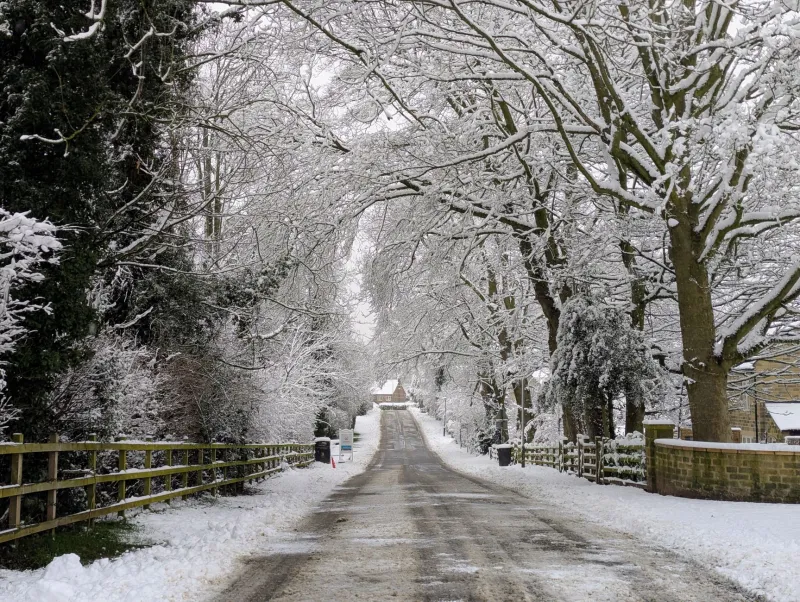
Photo: Malcolm Carruthers, CC BY-SA 2.0, via Wikimedia Commons
The lights flicker, the fridge stops humming, and the house goes quiet in that particular way that makes everyone stand still. Most winter power cuts in the UK are short. Some are not. The difference between a mildly annoying evening and a proper scramble is usually nothing more than an afternoon of quiet preparation.
This is not about turning your home into a bunker. It is about putting a torch where you can actually find it, knowing what to switch off, and keeping the freezer closed long enough for the grid to come back. Work through the house room by room, and you will be ready without making a drama of it.
Start at the front door
The first thing to sort is the thing everyone forgets: light near the exit. A small torch on a hook by the front door costs very little and saves a lot of fumbling. Keep a pair of shoes nearby too, especially if the power goes at night and you need to step outside to check on a neighbour or look at the street.
While you are in the hallway, find your consumer unit. It may be under the stairs, in a cupboard, or in the garage. Open it once in daylight and label the switches clearly with a pencil or printed stickers. Do not wait until the house is dark to start guessing which switch does what.
The hallway check: phones, numbers and the consumer unit
A charged power bank is the modern equivalent of a box of matches. Keep one in a drawer with a cable that fits your phone. Charge it on the first of every month, or whenever you charge the vacuum, so it becomes a habit rather than a forgotten gadget.
Add the number 105 to your phone contacts. That is the national power cut line for most UK networks, and it will tell you whether the outage is known and roughly how long it might last. If anyone in the house relies on medical equipment or has mobility needs, ask your electricity network about its priority services register. It is free and it exists precisely for evenings like this.
Kitchen: leave the freezer alone
When the power drops, the temptation is to open the freezer to see how bad things are. Resist it. A full freezer will usually hold its temperature for around 24 hours if the door stays shut; a half-full one is closer to 12. A fridge is much shorter, often around four hours.
Keep a fridge thermometer in view so you can check later rather than guessing. If you have space, freeze a few bottles of water now. They help keep the freezer cold and give you drinking water if you need it. A manual can opener in a known drawer is also quietly useful.
Avoid candles, especially in a house with children or pets. LED lanterns and head torches are safer and brighter. If you have a gas hob, do not use it as a room heater, and never bring a camping stove indoors. Carbon monoxide does not care that the power is out.
Utility room and boiler
Your boiler needs electricity to run, so a power cut means no heating and no hot water until the supply returns. Do not stand there resetting it repeatedly in the dark. Leave it alone, and when the power comes back, give it a few minutes before you check whether it has fired up.
If you have a sump pump, this is the moment to check its battery backup. Test it before winter rather than during a storm. Unplug sensitive appliances such as the washing machine and tumble dryer if the outage looks long, then plug them back in once the supply is steady. A power surge on return is uncommon but not imaginary.
Living room: light, warmth and something to do
Keep a head torch and a couple of LED lanterns in the living room so you are not carrying one candle from room to room. A battery radio is old-fashioned but genuinely useful when mobile data is slow or the local network is busy. Blankets in a basket by the sofa are cheaper than running a generator and much safer.
Unplug the television, games console and any desktop computer if the cut is likely to last. Leave one lamp switched on so you know the moment power returns. Then find something that does not need a screen: a book, a pack of cards, a charged e-reader. A power cut is a poor time to discover that every entertainment option in the house needs Wi-Fi.
Bedrooms and bathroom
Put a small torch beside each bed. Glow sticks are a gentle option for children who do not like the dark. In the bathroom, keep a battery-powered light within reach and skip candles entirely. If you have an electric shower, know that it will not work until the power is back, so a wash may need to wait or happen the old-fashioned way.
Check that smoke and carbon monoxide alarms have working batteries. This is a five-minute job that belongs on the same afternoon as the torch check. If anyone takes medication that needs refrigeration, have a cool bag and a plan for moving it to a neighbour or a cool box with ice packs.
Outside and the neighbours
Keep the front path clear and a torch by the door. If you use a generator, it stays outdoors, well away from windows and doors. Never run one in a garage or conservatory, even with the door open.
Before the weather turns properly cold, swap numbers with a neighbour or two. A quick knock to check that someone is warm and has light is often the most useful thing you can do during an outage. If you are on the priority services register, make sure the network knows how to reach you.
When the lights actually go out
First, check whether the whole street is dark. If it is just your house, look at the consumer unit with a torch and dry hands. Reset one switch at a time. If an RCD trips straight back off, stop and call an electrician rather than forcing it.
If the street is out, call 105 or check your network operator online. Keep the freezer door shut. Use torches, not candles. Unplug sensitive electronics. Put on layers rather than opening the oven for warmth. Check on anyone nearby who might be vulnerable.
When the power returns, give it a minute before switching everything back on. Check the boiler, the alarms and the freezer temperature. Reset the clocks, plug the appliances back in, and put the torch back in its drawer. The next winter evening will be calmer for it.