The Sink Cupboard Audit: Ten Minutes That Save a Christmas Plumbing Panic
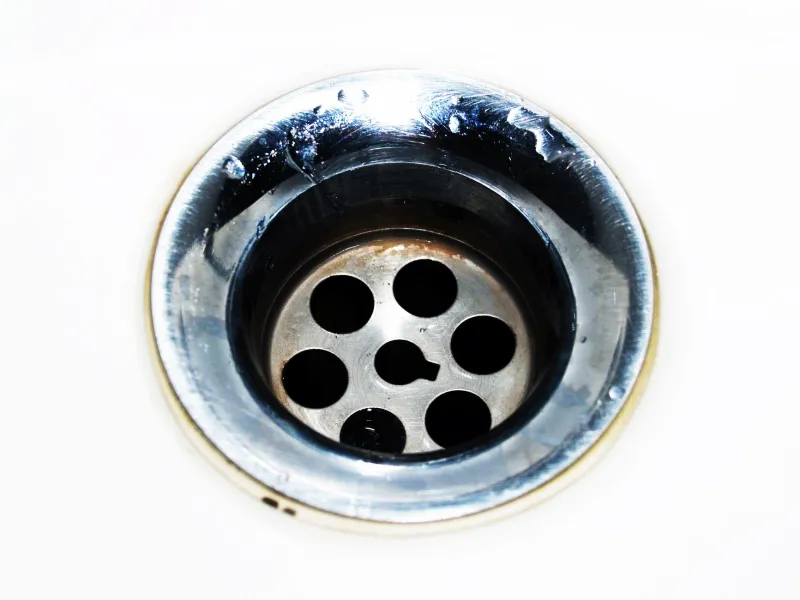
There's a particular kind of December afternoon that goes like this: the oven is on, the fridge is full, someone's rinsing a roasting tin, and a slow drip from the cupboard under the sink has quietly been making its own gravy for three weeks. Nobody notices until a bag of flour goes soggy. By then, of course, the plumber is booked until the second week of January.
The fix isn't dramatic. It's a ten-minute walk-round of the most-used plumbing in the house, done on a normal weekday, with nobody shouting for more gravy. Think of it as a pre-flight check for the busiest kitchen week of the year.
Why this cupboard, and why now
The under-sink cabinet is where a surprising amount of your home's plumbing converges. The waste trap, the dishwasher inlet and drain, the washing machine hoses (in many UK kitchens), the isolation valves for the tap, and often the stopcock that controls the whole house. Add a bin, a bag of carrier bags and a bottle of something sticky, and you've got a space nobody looks at until it fails.
Christmas puts unusual strain on all of it. More washing up. More dishwasher cycles. More hot water. More people leaning on the tap. A joint that's been weeping quietly since October will usually choose Boxing Day to announce itself properly.
The kit you actually need
Not much. A torch, a dry cloth, a roll of kitchen paper, an old towel, and a small mirror on a stick if you have one (a phone camera on selfie mode works just as well). A flathead screwdriver is handy, and if you keep a spare washing machine hose washer in the odds-and-sods drawer, congratulations — you're already ahead of most of us.
You don't need tape. You really don't need tape. More on that in a moment.
Step one: empty it out properly
Not a rummage. A proper clear-out. Everything onto the floor, torch into the back corner. Look at the base of the cabinet — the actual chipboard or MDF floor of the cupboard. Is there staining, swelling, or a tide mark? That's history, and history is useful. A swollen base with no active drip usually means a past leak was fixed and the damage was never repaired. A damp patch that smells of drains is a current problem.
While everything's out, this is a good moment to bin the carrier bags you've been keeping since 2019.
Step two: watch the waste trap under load
Run the hot tap for a full minute, then the cold, then fill the sink and let it all go at once. Get under there with the torch and watch the trap — the U-bend or bottle-shaped fitting directly below the plughole.
What you're looking for: beads of water at the compression nuts, a dark stain running down the pipe, or that faint sewage smell that means a seal has gone. Kitchen paper is your friend here — press it against each joint, then check whether the paper comes away damp. It's a far better test than a glance.
Run the dishwasher on a short cycle too, and watch again. Dishwasher waste connections are a classic source of slow leaks because the hose is pushed onto a spigot and held with a clip that can loosen over years.
Step three: the hoses
If your washing machine lives in the kitchen (or the utility room), now is the time. Check both the inlet hose and the drain hose where they connect, and look along the length for bulges, cracks or a hose that's been kinked against the back of the machine.
Hoses have a lifespan — most manufacturers suggest replacing them every five years or so, and the braided steel ones last longer than plain rubber. A replacement hose costs somewhere between £12 and £25 in 2026, which is a bargain against a kitchen floor.
Check the date on the hose if there is one. If you can't remember when it was last changed, that's your answer.
Step four: the sealant and the tap base
The silicone bead around the sink where it meets the worktop is a small detail with a big job. If it's cracked, blackened, or lifting at the edge, water gets underneath, and the worktop pays for it. Run your finger along it. Anything that flakes away needs redoing.
Also, wipe around the base of the tap and look for staining on the worktop behind it. A tap that rocks slightly when you move the spout usually means a loose fixing underneath — often a back nut you can tighten by hand or with a basin wrench, assuming you can reach it without dismantling the whole cabinet.
Step five: exercise the stop valve
This is the one most people skip, and it's the one that matters most. There's usually a slot-head isolation valve on each tap supply pipe — turn each one off and on a few times so it doesn't seize. Then find the main stopcock (often under the sink, sometimes in a downstairs loo or front garden) and give it a quarter turn and back. If it's stiff, don't force it. If it won't move at all, get a plumber in before you need it in a hurry.
Knowing where your stopcock is, and that it turns, is worth more than any gadget in this article.
When to put the tape down
PTFE tape and 'just tightening it a bit' have their place, but that place isn't a plastic waste trap that's cracked, or a compression joint that's been leaking for weeks. Plastic traps become brittle with age, and over-tightening a plastic nut is a reliable way to turn a drip into a split.
Call a plumber if you find: an active leak you can't isolate, a cracked trap or pipe, water staining that's spreading, a stopcock that won't turn, or a smell of drains that persists after running water in every fixture. A standard call-out in 2026 tends to sit between £60 and £120 plus parts, and a replacement trap is usually £15–£40. Doing it in November is cheaper, calmer and considerably less festive than doing it on the 27th.
The five-minute version
If ten minutes feels ambitious, do this: torch into the cupboard, kitchen paper on the trap joints, run the hot tap, check the paper, and look at the cupboard floor. That's it. That's the whole check. Everything else is a bonus.
The kitchen is about to earn its keep for a fortnight. Give the cupboard beneath it ten quiet minutes now, and you can spend Christmas Day doing something more interesting than mopping.