Misty Windows, Clear Answers: A Homeowner's Guide to November Condensation
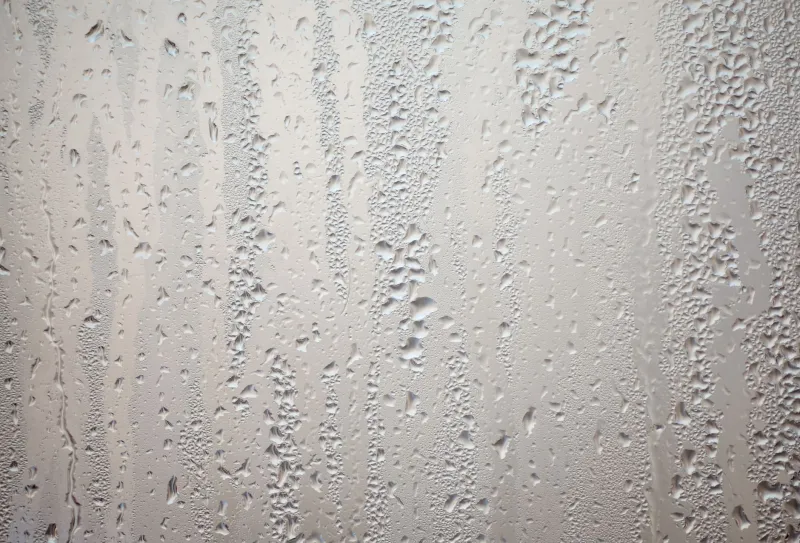
Every November, usually within a week of the heating going on, someone in a UK home looks at the bedroom window and sighs. The glass is streaming, the sill is wet, and the first thought is usually that the windows have failed. Most of the time, they haven't. Condensation is less about the glass and more about the air in the room—and that is genuinely good news, because air is something you can manage.
What is actually happening on the glass?
Warm air can hold more moisture than cool air. When that moist air meets a cold surface—typically the inside pane of a window on a chilly morning—it releases some of that moisture as water droplets. That is condensation. It is the same process that fogs up a bathroom mirror after a shower.
Inside condensation usually means indoor humidity is high, ventilation is low, or both. Condensation on the outside of a window is normal and generally harmless; it often means the glazing is doing its job. Moisture trapped between two panes is a different matter—that points to a failed sealed unit, which is a glazing repair rather than a damp problem.
Why it suddenly appears in November
November is the perfect storm, so to speak. The heating comes on, windows stay shut, coats and shoes come in wet, and laundry often gets dried indoors. Meanwhile, the glass is colder than it was in September. The result is a sudden crop of droplets that can make a house feel damper than it is.
Older UK homes—Victorian terraces, 1930s semis, flats with single glazing—often show it first because the glass is colder and the ventilation is less predictable. New-builds are not immune either. Modern homes are often very airtight, so moisture from cooking, showering and drying clothes has fewer places to escape.
Condensation, rising damp or a leak?
It helps to know what you are looking at before you start buying products.
- Condensation: droplets on windows, cold corners, black mould that wipes away on the surface, and a problem that eases when ventilation improves. It often appears on north-facing walls or in bedrooms.
- Rising damp: damp low down on ground-floor walls, often with a tide mark, crumbling plaster or white salt deposits. It tends to be persistent rather than weather-dependent.
- A leak: localised staining, bubbling paint, water running down a wall, or a damp patch that grows after rain. This needs investigating rather than ventilating.
If you are unsure, do not guess. A reputable surveyor or damp specialist can tell the difference, and it is usually cheaper to pay for an hour of advice than to treat the wrong problem for months.
The fixes that actually work
Ventilation first
Ventilation is the most effective tool in most homes. Trickle vents on windows are there for a reason—keep them open unless there is a good reason not to. Extractor fans in bathrooms and kitchens need to run long enough to clear the moist air, not just while you are in the room. Fifteen to twenty minutes after a shower or cooking session is a sensible starting point.
Short bursts of cross-ventilation can work better than leaving a window cracked all day. Open two windows on opposite sides of the house for ten to fifteen minutes, then close them. You lose less heat, and the air changes.
Keep the heating steady
Blasting the heating for an hour and then switching it off can make condensation worse, because warm moist air condenses as surfaces cool again. A steady background temperature—whatever feels comfortable, often around 18–20°C in living areas—tends to be more effective than dramatic swings.
Change a few habits
Use pan lids when cooking. Dry laundry outside when you can, or use a vented tumble dryer. Keep the bathroom door closed during a shower and open a window or use the extractor afterwards. Leave a gap between furniture and cold external walls so air can move. These small changes add up.
Dehumidifiers and moisture absorbers
A dehumidifier can help in a specific damp room, especially if drying laundry indoors is unavoidable. It is not a substitute for ventilation, and it will not fix a leak or rising damp. Moisture absorbers are useful in small cupboards or caravans; they are not a whole-house solution.
What not to do
Do not block air bricks or trickle vents to keep the house warm. Do not drill extra holes in window frames in the hope of solving condensation. Do not ignore a growing patch of mould or a damp smell, and do not assume a new window will fix a ventilation problem on its own.
When to call a specialist
Most window condensation is manageable, but some signs deserve professional attention:
- Mould that keeps returning over a large area, or mould in bedrooms and living rooms despite better ventilation.
- Damp patches on walls or ceilings, especially after rain.
- A musty smell that does not clear.
- Condensation on walls rather than windows, or water pooling on windowsills.
- Mist between double-glazing panes.
- Anyone in the home with worsening respiratory symptoms or asthma.
For gas appliances or heating problems, use a Gas Safe registered engineer. For damp and timber, look for a qualified surveyor or specialist who will diagnose before selling you a treatment.
A simple November routine
Wipe down wet sills with a microfibre cloth in the morning. Check that extractor fans are actually pulling air. Keep trickle vents open. Air the house for ten minutes after showers and cooking. Move laundry outside if the weather allows. Then keep an eye on cold corners and window frames over the next few weeks.
Condensation is annoying, but it is usually a signal rather than a disaster. Improve the ventilation, keep the heat steady, and deal with moisture at source. Your windows are not crying—they are telling you something about the air in your home.