The Decade Ledger: What Your Home Will Quietly Ask For at 10, 20 and 30

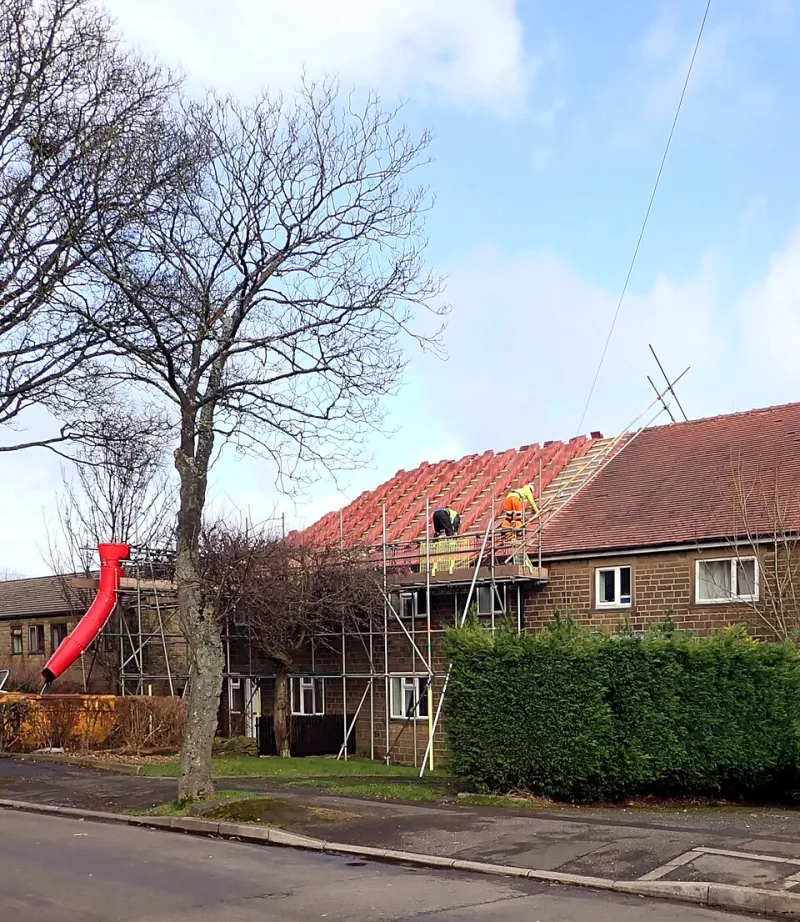
Photo: 14GTR, CC0, via Wikimedia Commons
A house doesn't wear out all at once. It does it in shifts — a seal here, a service there, then one day a roofer is standing on your path quoting for the whole covering. The trick is knowing roughly when each shift is due, so the bill lands on your terms rather than through the letterbox with a thud.
This is not a scare list. Plenty of homes sail past every milestone below without drama, especially if they've been looked after. But if you know the decade your property is heading into, you can put a number in a savings pot now and stop treating every repair like an ambush.
Why decades beat birthdays
Repair timetables aren't set by the year on the deeds. They're set by materials, weather and how hard the house has worked. A 1930s semi in Sheffield and a 2015 new-build in Bristol will not fail in the same order.
Still, there are patterns. Components have design lives, and most of them land in the same broad windows. Treat the ages below as prompts for inspection, not prophecy.
At ten years: the first honest round of bills
A decade-old house is past its honeymoon. The warranty is thinning, the snagging list is a distant memory, and the parts that were always going to go first are starting to go.
Look at seals before you look at anything expensive. Silicone around baths and showers, mastic at window frames, the rubber gaskets on external doors — all of it hardens and shrinks. A tube of sealant costs less than a ceiling repair.
The boiler is the other ten-year conversation. Most condensing boilers are serviceable well beyond a decade, but pumps, diverter valves and expansion vessels start asking for attention. A Gas Safe service each year is the cheap version of this story.
Also due around now: a first proper gutter clean and bracket check, a fence panel or two, the driveway if it was block-paved, and possibly a top-up of loft insulation if it was laid thin. None of it is dramatic. All of it is easier to budget for in £200 slices than in one £2,000 hit.
At twenty years: components start retiring
This is the decade where the bigger numbers appear, and where a repair fund earns its keep.
The boiler usually goes somewhere between 15 and 20 years, sometimes earlier. In 2026 a straightforward replacement sits in the region of £2,500 to £4,000 depending on size, system and what the installer finds behind the old one.
Roofs are the next item. Concrete tiles and slate both last far longer than 20 years, but mortar under ridge tiles, flashing around chimneys and the odd cracked tile won't. A £300 repair at year 20 is the thing that delays a £10,000 re-roof at year 30.
Sealed double-glazed units often start to mist between the panes around this age. The frame is usually fine; it's the unit that's failed. Replacing individual units is far cheaper than replacing windows.
Kitchens and bathrooms fitted in the 2000s are also reaching the end of their working life — not always visually, but functionally. Tired taps, worn hinges, seals behind tiles. Fix the water before it finds the plasterboard.
Drainage deserves a look too. A CCTV survey on older clay runs costs a couple of hundred pounds and tells you whether tree roots have found the joints. Cheaper now than after a collapse.
At thirty years: structure and services
By 30, the house is asking bigger questions.
The roof covering is the headline. Depending on material, a full replacement might be £6,000 to £15,000 for a typical semi. Gutters, fascias and soffits often go at the same time — it's cheaper to do them together.
Wiring from the 1980s or 1990s may not have an RCD, or may have one that no longer complies. A full rewire is a disruptive, £3,000 to £6,000 job, and it's much easier to plan than to emergency-book.
Windows, external doors and the front door in particular are usually ready for replacement by now. So is the central heating pipework in the worst cases, though most systems just need a power flush.
On older properties, this is also the decade to watch for damp-proof course failures, render cracks, and drainage that has quietly shifted. None of these are emergencies if you catch them at the inspection stage.
What to check this month, whatever decade you're in
You don't need a surveyor to do the basics. Walk the outside of the house after rain and look at the gutters. Press a screwdriver into any external timber — soft means replace. Look under sinks for staining. Check the boiler's service date. Look at the roof from the ground with binoculars, not from a ladder.
Write what you find in a notebook, with the date. A maintenance record is the single cheapest tool in home ownership, because it stops you paying twice for the same diagnosis.
Three pots, not one panic
Rather than one impossible repair fund, run three. A small pot for sub-£300 jobs — sealant, gutter clearing, a new shower hose. A medium pot for the £500 to £2,500 items — a boiler repair, a few windows, fencing. And a long pot for the decade-level work — roof, rewire, drainage.
If your house is approaching 20, aim to have the long pot at least half full before the boiler starts making that noise. If it's approaching 30, treat the roof as a planned expense rather than a lottery.
The calm version
Houses don't fail on a schedule, and no article can tell you exactly what yours will need. But the milestones are real enough to plan around. A house at 10 needs attention. At 20 it needs money. At 30 it needs a plan. Knowing which one you're in is most of the work.